
Wohlstand Enterprises

ETP & STP Solutions

Home / Services / ETP & STP Solutions

ETP & STP Solutions

Advanced ETP & STP Solutions for Sustainable Wastewater Treatment and Management

ETP (Effluent Treatment Plant) & STP (Sewage Treatment Plant) solutions are advanced systems designed to treat industrial wastewater and domestic sewage, ensuring safe discharge or reuse in compliance with environmental regulations. These systems remove contaminants, reduce pollution load, and support sustainable water management practices.

ETP systems are primarily used for industrial effluents containing chemicals and hazardous waste, while STP systems are designed for treating domestic and municipal sewage. Together, they play a crucial role in environmental protection and water conservation.

Key Features :

  •   Efficient Wastewater Treatment : Removes suspended solids, chemicals, and organic matter
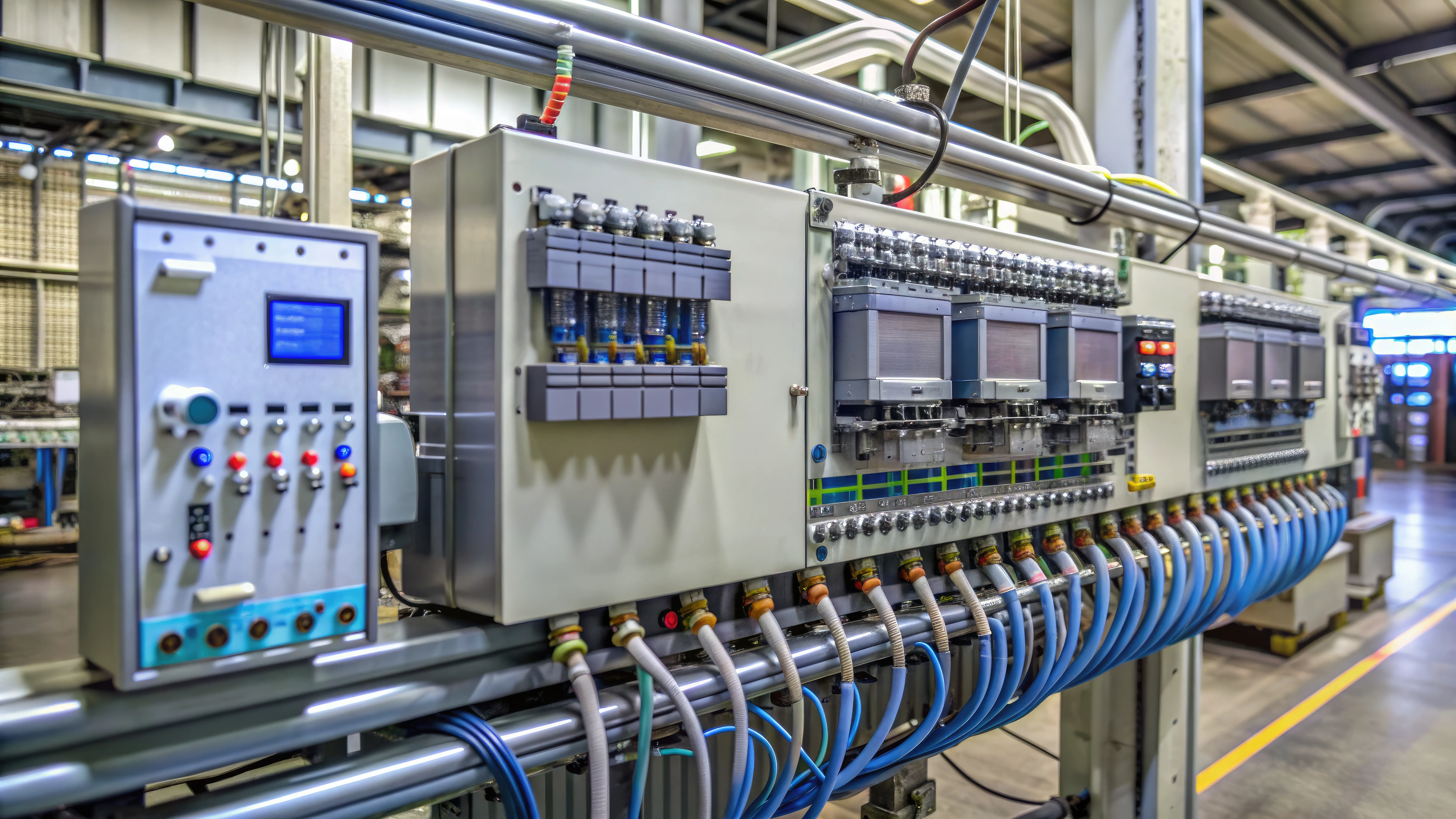
  •   Automated Control Systems : PLC/SCADA-based monitoring and operation
  •   Modular Design : Easily expandable based on capacity requirements
  •   Energy Efficient Operation : Optimized aeration and pumping systems
  •   Eco-Friendly Technology : Supports water recycling and reuse
  •   Low Maintenance Systems : Designed for long-term reliable operation
  •   Real-Time Monitoring : Continuous tracking of water quality parameters
  •   Compliance Ready : Meets CPCB/SPCB environmental standards

System Specifications :

ETP (Effluent Treatment Plant) Specifications

  •   Capacity Range : 1 KLD to 1000+ KLD (customizable)
  •   Treatment Process : Physico-chemical + biological treatment
  •   pH Range Handling : 2–12 (industrial effluents)
  •   TSS Removal Efficiency : Up to 95–98%
  •   COD/BOD Reduction : Up to 90–95%
  •   Sludge Handling : Sludge dewatering systems included
  •   Material of Construction : MS, SS, FRP, RCC (based on application)

STP (Sewage Treatment Plant) Specifications

  •   Capacity Range : 10 KLD to 5000+ KLD
  •   Treatment Process : MBBR / SBR / MBR / Activated Sludge Process (ASP)
  •   BOD Reduction : Up to 90–95%
  •   TSS Removal : Up to 95%
  •   Treated Water Quality : Suitable for gardening, flushing, and reuse
  •   Energy Consumption : Low power aeration systems
  •   Odor Control Systems : Optional biofilters or chemical treatment

Automation & Control

  •   PLC-based automation systems
  •   SCADA monitoring (optional)
  •   Online sensors for pH, DO, TDS, turbidity
  •   Remote monitoring and alarm systems
  •   Auto chemical dosing systems

Treatment Process Flow :

ETP Process

  •   Screening & Equalization
  •   pH Correction
  •   Coagulation & Flocculation
  •   Primary Clarification
  •   Biological Treatment
  •   Secondary Clarification
  •   Filtration & Disinfection
  •   Sludge Dewatering

STP Process

  •   Screening & Grit Removal
  •   Primary Sedimentation
  •   Aeration (Biological Treatment)
  •   Secondary Clarification
  •   Filtration
  •   Disinfection (Chlorination/UV)
  •   Treated Water Storage

Benefits :

  •   Environmental Protection
    Reduces pollution and ensures safe disposal of wastewater.
  •   Water Recycling & Reuse
    Treated water can be reused for gardening, cooling, and flushing.
  •   Regulatory Compliance
    Meets environmental norms and avoids penalties.
  •   Cost Savings
    Reduces fresh water consumption and disposal costs.
  •   Automated Operation
    Minimizes manual intervention with PLC/SCADA control systems.
  •   Low Operating Cost
    Energy-efficient design reduces long-term operational expenses.
  •   Sustainable Solution
    Supports green initiatives and water conservation efforts.

Applications :

Industrial Applications (ETP)

  •   Chemical industries
  •   Pharmaceutical plants
  •   Textile industries
  •   Food processing units
  •   Oil & gas facilities
  •   Manufacturing plants

Domestic & Municipal Applications (STP)

  •   Residential complexes
  •   Hotels and resorts
  •   Hospitals
  •   Commercial buildings
  •   Townships
  •   Educational institutions

Infrastructure Projects

  •   Smart cities
  •   Industrial parks
  •   Airports and railway stations

Why Choose Wohlstand Enterprises ETP & STP Solutions?

  •   Customized plant design based on wastewater characteristics
  •   Advanced biological and chemical treatment technologies
  •   Energy-efficient and cost-effective systems
  •   Automation-ready with PLC/SCADA integration
  •   Compliance with CPCB/SPCB and environmental standards
  •   High-quality construction materials for long life
  •   End-to-end support from design to commissioning

Frequently Asked Questions (FAQ)

What is the difference between ETP and STP?

ETP treats industrial wastewater, while STP treats domestic sewage and municipal wastewater.

Can treated water be reused?

Yes, treated water can be reused for gardening, flushing, cooling, and other non-potable applications.

What technologies are used in treatment plants?

Common technologies include MBBR, SBR, MBR, activated sludge process, and chemical treatment methods.

Is automation available in ETP/STP systems?

Yes, PLC and SCADA-based automation systems are commonly used for monitoring and control.

How much space is required for a plant?

Space requirements depend on capacity and technology used; compact designs are available.

Let’s Join Hands for an Automated Future!